Thousands of Western Cape Residents Still Without Power Due to Recent Disruptive Weather Conditions That Caused Floods
 Stanley Staples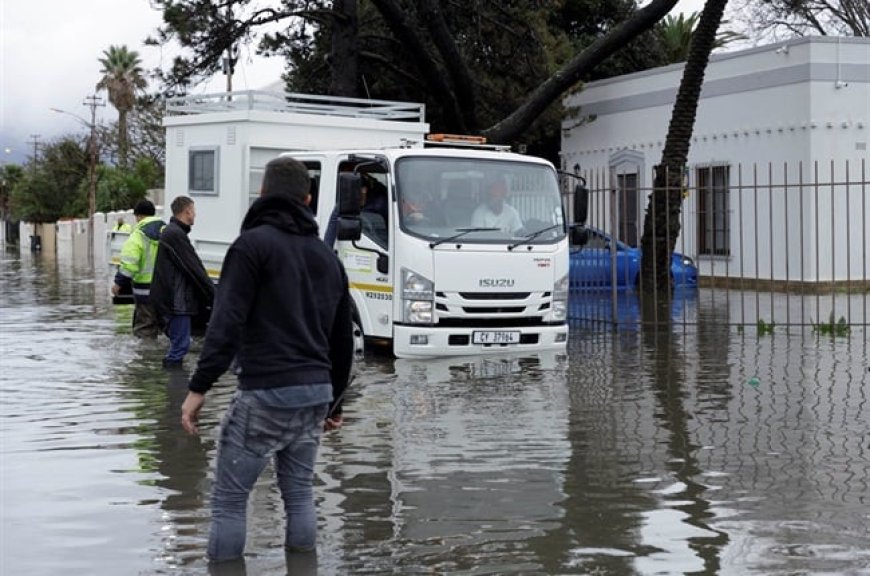
The Western Cape is grappling with the aftermath of severe weather conditions that have left over 10,000 residents without power. The region has been hit by unprecedented storms, causing extensive flooding and infrastructure damage, severely impacting daily life.
The recent storms, described by meteorologists as among the most severe in recent history, brought torrential rain, strong winds, and significant flooding to the area. The deluge overwhelmed drainage systems, leading to widespread waterlogging and inundation of homes and businesses. Rivers and dams, already swollen by previous rains, burst their banks, exacerbating the flooding.
The South African Weather Service issued warnings in advance, but the intensity of the storms still caught many by surprise. Emergency services have been working around the clock to assist those affected, with rescue operations being carried out in several areas where people were trapped by rising waters. Helicopters and boats have been deployed to reach those stranded in remote or inaccessible locations.
Electricity supply has been one of the major casualties of the storm. Power lines were brought down by falling trees and debris, and substations were flooded, disrupting the electricity grid. Eskom, the primary electricity supplier, along with municipal power utilities, has been working tirelessly to restore power. However, the extent of the damage means that many areas remain without electricity, adding to the challenges faced by residents.
The lack of power has had a domino effect on other services. Water purification plants, which rely on electricity to operate, have been affected, leading to water supply issues in some areas. Communication networks have also been disrupted, making it difficult for residents to stay informed and for emergency services to coordinate their efforts effectively.
The Western Cape Government has declared a state of disaster in the affected areas, unlocking additional resources and support from the national government. Premier Alan Winde has assured residents that every possible effort is being made to restore normalcy, but he has also called for patience and cooperation from the public as recovery efforts continue.
Community centers and shelters have been set up to accommodate those who have been displaced by the floods. These centers are providing essential services, including food, water, and medical care. Volunteers and non-governmental organizations have rallied to support the affected communities, demonstrating the resilience and solidarity of the Western Cape's residents in the face of adversity.
The economic impact of the floods is expected to be significant. Many businesses have suffered damage to their premises and stock, and the disruption to power and water supply has forced some to halt operations temporarily. Agriculture, a critical sector in the Western Cape, has also been hard hit, with fields submerged and crops destroyed.
As the immediate crisis begins to subside, attention will turn to the long-term recovery and rebuilding efforts. Authorities are already assessing the damage and planning the repair and reinforcement of infrastructure to prevent similar disasters in the future. This includes upgrading drainage systems, reinforcing riverbanks, and ensuring that new buildings are constructed to withstand extreme weather conditions.
For now, the priority remains restoring essential services and providing support to those affected. The Western Cape is facing a challenging period, but with the combined efforts of government, businesses, and the community, it is hoped that the region will recover and emerge stronger from this disaster.