
Understanding Multiple Myeloma
Symptoms, Diagnosis, and Treatment Options
 Cintia Adaeze Aghaelina
Understanding Multiple Myeloma: Symptoms, Diagnosis, and Treatment Options
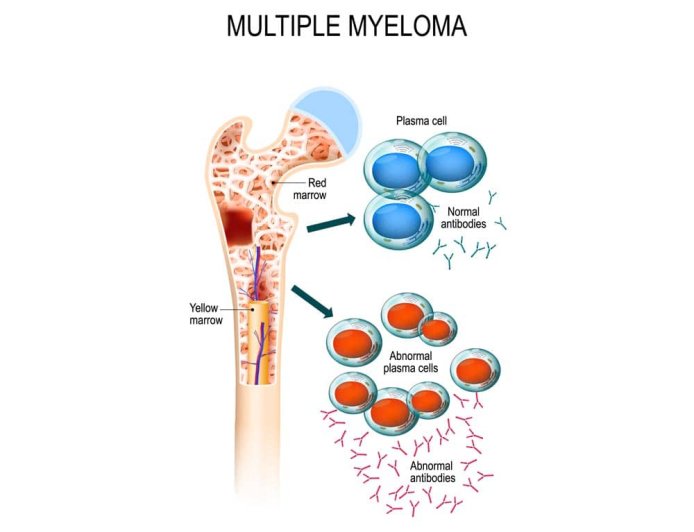
Multiple myeloma, also called Kahler disease, is a relatively rare type of blood cancer that affects the bone marrow due to abnormal plasma cells (a type of white blood cell) building up and forming tumors in many bones of the body. Normal plasma cells produce antibodies to help the body fight infection and disease. However, when these cells become cancerous, they generate excessive antibodies, leading to thickening of the blood that prevents bone marrow from producing healthy blood cells, weakenes bones, and damages the bone structure. To gain a deeper understanding of this disease, I spoke with Dr. Ghislain Nkuou, a hematologist with four years of experience as a general doctor and two years as a hematologist. He provided valuable insights into the treatment, symptoms, and diagnostics of multiple myeloma.
According to Dr. Ghislain, multiple myeloma can be asymptomatic or symptomatic. If it is asymptomatic, it does not necessitate any treatment. However, once it becomes symptomatic, the patient will need medical intervention. The first symptoms often include bone pain, particularly in the vertebral column, intense back pain, or pain throughout the bones, affecting daily movement. It can also present with anemia and fatigue, as well as less specific symptoms like a burning or tingling sensation in the limbs and repeated pulmonary infections in men and urinary infections in women. These recurrent infections are due to a weakened immune system. It is important to note that studies from the Cancer research UK reveals that about 50 out of 100 people (50%) who are asymptomatic will develop symptoms and need treatment within the first five years. After five years, the risk of progressing to symptomatic myeloma decreases, though some people never develop symptoms.
To diagnose multiple myeloma, several tests are required. According to Dr. Ghislain, a myelogram or bone marrow aspiration and biopsy are essential to confirm plasmacytosis and monoclonality. Another diagnostic criterion is the presence of excess antibodies in the blood or urine. Additionally, specific signs such as bone lesions, hypercalcemia (elevated calcium levels), or abnormal kidney function are part of the diagnostic criteria established by the National Comprehensive Cancer Network.
The exact causes of multiple myeloma are unknown. However, Dr. Ghislain noted that frequent exposure to pesticides and herbicides might be a significant risk factor. The Cancer Council website also links high levels of radiation (such as from working in a nuclear power plant) and certain viruses (such as HIV) to an increased risk of myeloma. It is not a hereditary disease, so it is rare for more than one person in the same family to be diagnosed with it.
Like all cancers, multiple myeloma has stages determined based on blood and imaging test results. It has three stages, and research from the American Cancer Society states that multiple myeloma is staged using the Revised International Staging System (RISS) based on four factors:
1-The amount of albumin in the blood
2-The amount of beta-2-microglobulin in the blood
3-The amount of LDH in the blood
4-The specific gene abnormalities (cytogenetics) of the cancer
Treatment for multiple myeloma depends on various factors such as age and the stage of the disease. Treatments help to curb the spread of cancerous cells, allowing the patient to live a normal life. According to Dr. Ghislain, treatments have significantly advanced with the evolution of medicine. One effective treatment is Bortezomib therapy, which kills myeloma cells by causing protein to build up inside them. Another standard treatment is chemotherapy with the use of special multiple myeloma molecules, often combined with an auto bone marrow transplant for patients under 65 years old. For those over 65, chemotherapy is typically the main treatment. These treatments have proven to be very efficient. However, despite their effectiveness, side effects and relapses can still occur. There are many other treatments, but these are just a few examples.
Since the exact causes of the disease are unknown, there is no known way to prevent it. Multiple myeloma is often diagnosed in older people. Thus raising awareness about the disease can help educate the public and lead to early diagnosis. Because multiple myeloma is relatively uncommon, it is not frequently discussed. So the best way to inform the public according to Dr. Ghislain is for hematologists to sensitize patients about it.
Understanding multiple myeloma is essential for patients and their families to make informed decisions about their health. With these valuable insights from expert Dr. Nkuouh, we can better grasp the complexities of this disease and the importance of early diagnosis and comprehensive treatment.