Former Public Speaker Nosiziwe Mapisa Nqakula Hands Herself IN Amid Fraud allegations
 Mulaudzi Ndivhuwo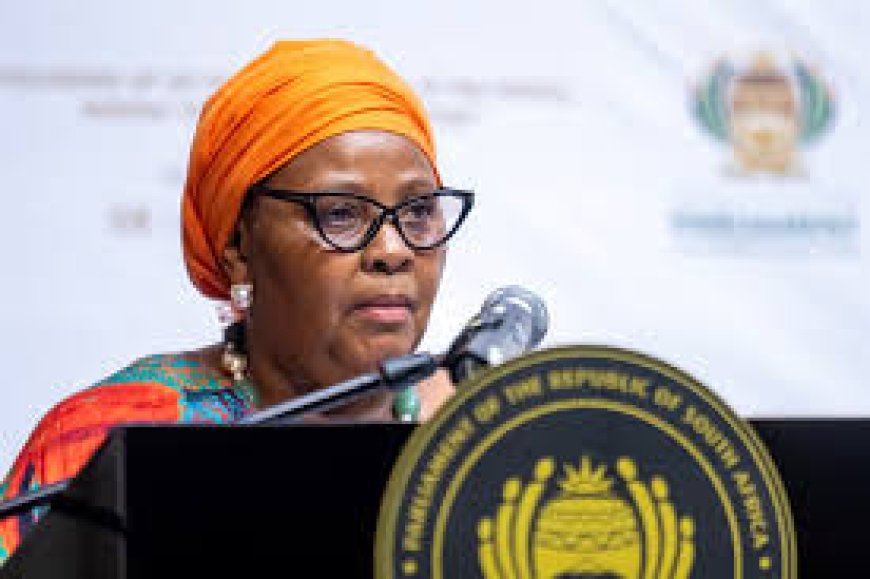
Former South African Public Speaker, Nosiziwe Mapisa-Nqakula, made headlines once again as she turned herself in at the Leyton Police Station in Centurion, Pretoria. This dramatic development comes on the heels of her resignation from her esteemed position just yesterday amidst a burgeoning fraud case that has rocked the nation.
Mapisa-Nqakula, who previously served as the Minister of Defense, finds herself embroiled in allegations of financial impropriety. It is alleged that she received a staggering sum of 2 million rand from a contractor during her tenure as a government official. This accusation has sent shockwaves through the political landscape of South Africa and has cast a shadow over Mapisa-Nqakula's once illustrious career.
Her decision to voluntarily surrender to authorities at the Leyton Police Station marks a pivotal moment in this unfolding saga. By taking this action, Mapisa-Nqakula has demonstrated a willingness to cooperate with law enforcement and address the serious charges leveled against her. It also signifies a recognition of the gravity of the situation and a sense of accountability for her actions.
The timing of Mapisa-Nqakula's resignation as a public speaker and subsequent surrender to authorities underscores the intensity of the legal proceedings she faces. It reflects a swift and decisive response to the allegations, signaling a desire to confront the accusations head-on rather than evade responsibility.
The case against Mapisa-Nqakula highlights broader concerns regarding corruption and transparency within South Africa's political sphere. As a prominent figure within the government, her alleged involvement in fraudulent activities raises questions about the integrity of public officials and the need for greater oversight and accountability measures.
Moreover, the impact of these allegations extends beyond Mapisa-Nqakula herself, affecting public trust in the institutions of governance and the credibility of the political establishment. The outcome of this case will undoubtedly have far-reaching implications for the future of South Africa's democratic governance and efforts to combat corruption.
In the midst of these tumultuous developments, it is imperative to uphold the principles of justice and due process. Mapisa-Nqakula, like any other individual, is entitled to a fair and impartial legal proceeding where all the evidence can be presented and scrutinized. Only through a transparent and equitable process can the truth be revealed and justice be served.
As the legal proceedings unfold, South Africans are watching closely, awaiting answers and seeking accountability. The case of Nosiziwe Mapisa-Nqakula serves as a sobering reminder of the importance of ethical leadership and the need to uphold the highest standards of integrity in public office. It is a testament to the enduring struggle against corruption and the ongoing quest for a more just and transparent society.