Two Children Dead, One in ICU After allegedly Consuming Snacks from local Spaza Shop in Mamelodi
 Staff Reporter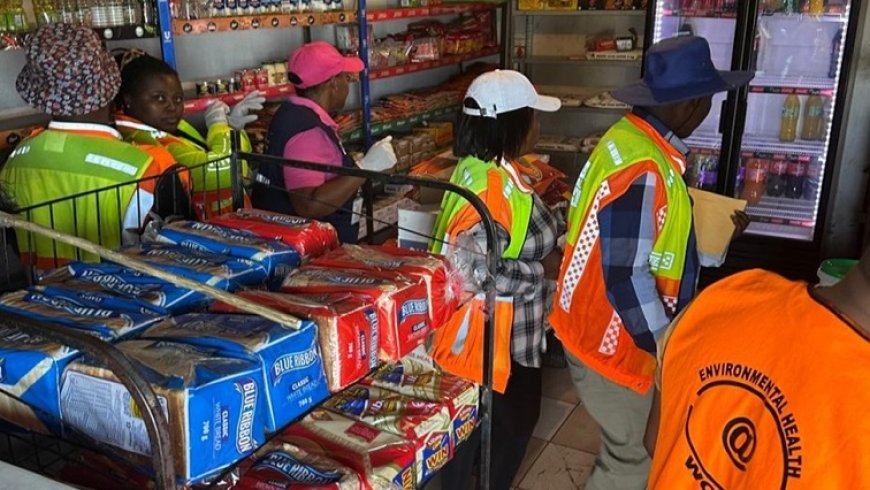
As South Africa confronts a surge in food poisoning cases, widespread concern and anger are growing over snacks reportedly bought from foreign-owned spaza shops. In a tragic incident in Mamelodi, two young children between the ages of 7 and 10 have died from suspected food poisoning after consuming snacks from a local spaza shop. According to one of the children's mothers, the children fell ill shortly after eating the snacks and were rushed to Steve Biko Academic Hospital, where they ultimately passed away. Another child is currently fighting for their life in the Intensive Care Unit, heightening fears among families about the safety of products sold at small, informal shops.
The Gauteng Premier has since confirmed that over 23 children have died from suspected food poisoning in Gauteng alone, adding a grim urgency to this crisis. As fatalities rise, communities are demanding swift intervention and stricter regulations on food sold in informal shops across the country.
The deaths of these children have sparked a wave of outrage as families and community members call for immediate action. Health authorities and law enforcement are under pressure to enforce rigorous safety standards on snacks and other products sold in spaza shops. The government has promised a thorough investigation into these products to ensure no further harm to consumers.
“This is a tragic loss that no parent should have to endure,” said a local government representative. “Our communities deserve to feel safe when purchasing food, and we are committed to ensuring that every vendor abides by safe practices.”
In response, health inspectors have begun testing various items sold at these local outlets, hoping to trace potential contaminants or sources of bacterial infection. Health experts have also urged families to exercise caution, especially when buying unregulated snacks, and to stay informed about the latest warnings as the investigation continues.
This developing story underscores the critical need for enhanced food safety measures, particularly in informal markets, to protect South Africa’s communities from further loss.