Left to Die? South African Government Refuses Aid to 4,500 Trapped illegal Miners in Stilfontein
 Mulaudzi Ndivhuwo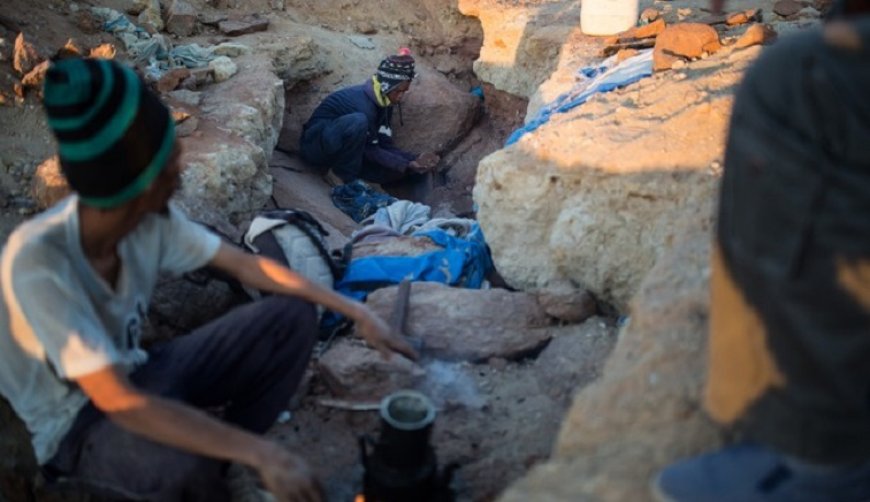
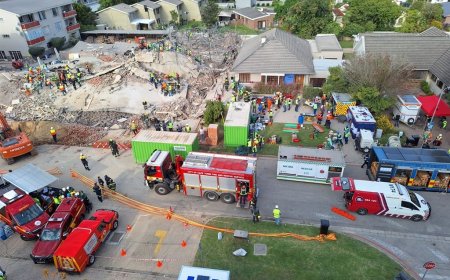
Stilfontein, South Africa – A humanitarian crisis is unfolding in Stilfontein, where more than 4,500 illegal miners remain trapped underground, with some reports suggesting this number may be far lower than the actual total trapped beneath the surface. The crisis has sparked public outrage and raised urgent concerns about the wellbeing of those underground, who are suffering in worsening conditions without access to basic needs and medical assistance.
Local residents, including a volunteer who recently went underground to assess conditions, report that many of the miners are weak and sick, lacking essential medicines. Bodies of miners who have already succumbed to illness or injury have reportedly been seen underground. The crisis has only deepened as government authorities have halted all food and water deliveries, effectively cutting off any support to those still alive.
As days go by without intervention, families of the miners have gathered outside the abandoned mine entrance, desperate for news of their loved ones. The encampment, filled with tension and anguish, serves as a testament to their mounting frustration and fears. Some family members allege that their loved ones have been trapped underground for months or even years, with no viable means of escape and no help in sight.
This dire situation has emerged from an ongoing government crackdown on illegal mining in the region. In recent weeks, the South African Police Service (SAPS) sealed off all known entries to the mine, warning that any miners who surfaced would be immediately detained. Public shock turned to outrage following a statement from Minister in the Presidency, Khumbudzo Ntshavheni, who announced at a media briefing that no rescue efforts would be provided for the trapped miners. “We are not seding any help to crimminals , we are going to smoke them out they will come out , criminals are not to be helped crimminals are meant to be prosecueted, we didnt send them there, those who want to rescue them can set their foot underground to help” Ntshavheni stated, a comment that has since been met with widespread condemnation from rights organizations and community leaders.
The government's firm stance has drawn criticism not only for its apparent indifference to the welfare of those trapped underground but also for failing to acknowledge the human rights implications of the crisis. In a nation where economic hardship often drives individuals into illegal mining, many view the government's response as harsh and disconnected from the underlying socioeconomic conditions that perpetuate such practices. Furthermore, the statements by government officials come amid growing public unease over recent reports suggesting that police have resorted to extreme measures, including violence, in their efforts to combat crime—allegations that many now worry might apply to this crisis as well.
Over 50 local residents, unwilling to wait for government action, have volunteered to venture underground, risking their own safety in an attempt to find and rescue those still alive. Yet, without the support of the authorities, their task remains perilous, and their efforts limited. Unconfirmed reports from the community suggest the number of miners trapped may far exceed 4,500, raising even greater concerns about the scale of the catastrophe and the potential for mass casualties.
With families and communities camped outside the Stilfontein mine, hoping for a change in government response, this crisis underscores the complex challenges surrounding illegal mining in South Africa. It highlights the desperate economic conditions that drive individuals to such extremes, the contentious dynamic between authorities and communities, and the pressing need for a humane, balanced approach to address the issue. For now, however, the families continue their vigil, hoping their voices will prompt urgent action to save their loved ones before it is too late.