The Battle Over South Africa’s 2025 Budget:Can the Coalition Survive the Budget Dispute?
The Political Storm Behind the Postponement
 Jane Molepo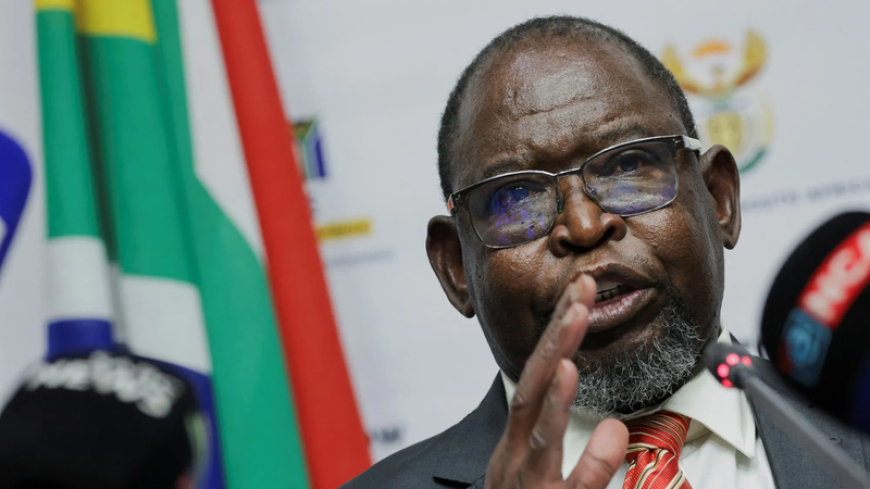
In an unprecedented move, the highly anticipated 2025 Budget Speech, originally scheduled for 19 February, has been postponed indefinitely. This decision comes as a result of internal disagreements within the Government of National Unity (GNU) over key budgetary proposals.
The executive resolved to adjourn the National Assembly’s sitting to allow additional time for negotiations and reassessment of the budget. As it stands, the budget is now expected to be delivered sometime in March.
At the core of the dispute is the contentious issue of tax increases, which has created significant friction among the GNU parties. According to reports, a major sticking point has been the proposed increase in Value-Added Tax (VAT) by two percentage points, raising it from 15% to 17%.
The likelihood of such an increase was widely speculated before the scheduled speech and was seemingly confirmed by a leaked 2025 tax summary document from the South African Revenue Service (SARS). While the document suggested that certain adjustments would be made to the zero-rated tax basket to cushion vulnerable groups, opposition within the GNU—particularly from the Democratic Alliance—remained strong.
President Cyril Ramaphosa convened an emergency cabinet meeting just hours before the planned address, providing Finance Minister Enoch Godongwana with an opportunity to engage with GNU members on the contentious proposals. However, despite last-minute discussions, consensus could not be reached in time for the scheduled budget presentation.
The 2025 budget holds special significance as the first national budget compiled under a non-majority government in South Africa’s democratic era. The African National Congress (ANC) lost its outright majority in the 2024 national elections, securing only 40% of the vote. This led to the formation of the GNU, which, while praised for broader representation of national interests, has also faced internal divisions.
Although the GNU aims to foster collaboration, the postponement of the budget highlights the complexities and challenges of coalition governance. The delay raises concerns about economic stability and investor confidence, as businesses and citizens await clarity on fiscal policy.
As negotiations continue, South Africans will be closely watching to see how the GNU resolves its differences and whether the eventual budget will reflect a unified approach to the nation’s economic trajectory.