ICC Chief Prosecutor Seeks Arrest Warrants for Netanyahu and Sinwar Over Gaza Conflict
 Bradley Chagoya
In a significant development, the International Criminal Court's (ICC) chief prosecutor, Karim A.A. Khan, announced on Monday that he would be seeking arrest warrants for Israeli Prime Minister Benjamin Netanyahu and Hamas leader Yahya Sinwar, among other senior Israeli and Palestinian figures. This move is part of the ICC's ongoing investigation into the Situation in the State of Palestine, which has been marked by years of conflict and violence.
The arrest warrants, if issued, would be a major blow to the Israeli government, which has long been accused of committing war crimes in the occupied territories. While the ICC may face challenges in prosecuting Israeli leaders, the warrants could have significant implications for their ability to travel abroad. A trial at the ICC could also be deeply embarrassing for the Israeli government, potentially leading to increased international pressure and scrutiny.
The ICC's investigation has been controversial from the start, with Israel refusing to cooperate and claiming that the court has no jurisdiction over its actions. However, the ICC has maintained that it has the authority to investigate crimes committed in the occupied territories, which are considered a state party to the Rome Statute, the treaty that established the ICC.
The list of individuals targeted by the arrest warrants is not limited to Netanyahu and Sinwar, but also includes other senior Israeli military and political leaders, as well as Palestinian officials and militant group leaders. The ICC's prosecutor has stated that these individuals have played key roles in the ongoing war in Gaza and are suspected of committing war crimes, crimes against humanity, and other serious violations of international law.
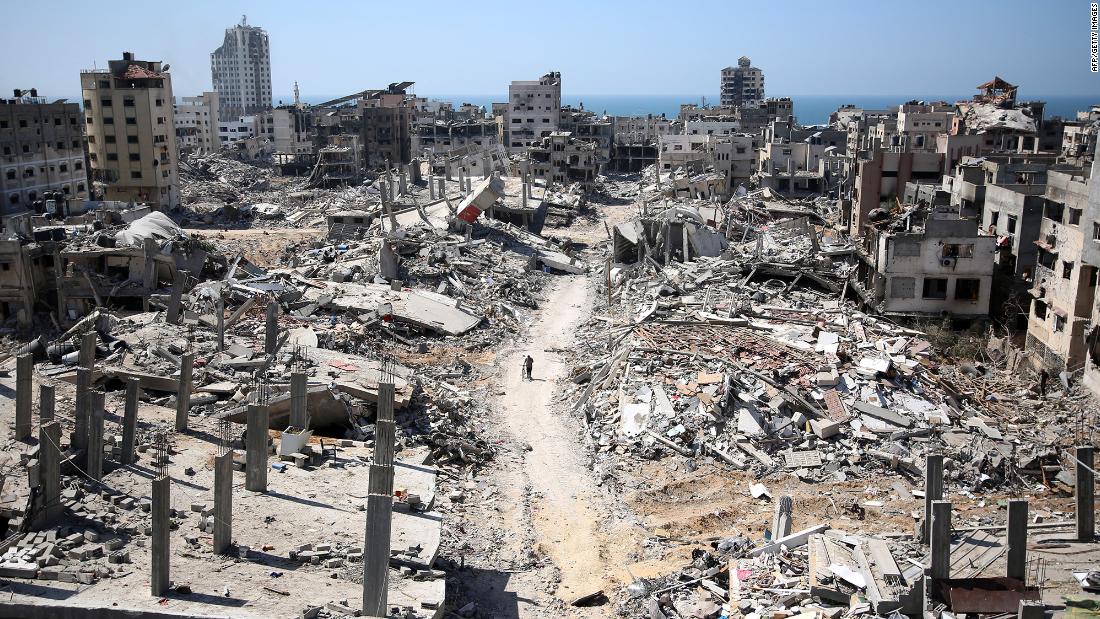
While the outcome of this development remains uncertain, it marks a significant step towards holding accountable those responsible for the devastating conflict in Gaza. The international community will be watching closely as the situation unfolds, and the potential implications for international justice and accountability are significant.
The ICC's move has been welcomed by Palestinian officials and human rights groups, who have long called for accountability for Israeli actions in the occupied territories. However, Israel has already denounced the move, with Netanyahu calling it "a cynical and absurd decision" and vowing to continue to defend Israel's soldiers and citizens from what he called "baseless and biased investigations."
As the situation continues to unfold, one thing is clear: the ICC's decision to seek arrest warrants for Netanyahu and other senior Israeli and Palestinian figures marks a significant turning point in the pursuit of justice and accountability in the region.