Mbalula Slams ‘Rotten’ Justice System: “If Police Are Befriending Criminals, They Must Be Arrested”
 Jane Molepo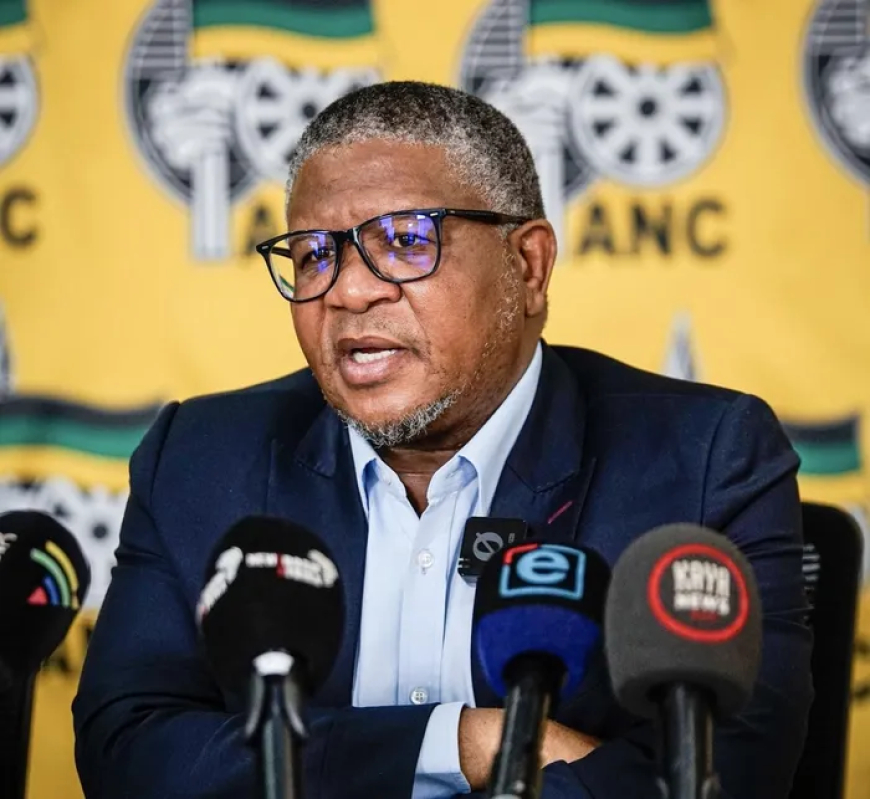
ANC Secretary-General Fikile Mbalula has issued a blistering warning about deepening corruption within South Africa’s criminal justice system, saying the country cannot win the fight against crime while some police officers appear to be in cosy relationships with criminals.
Speaking at a fiery public address this week, Mbalula said the state cannot tolerate a situation in which law-enforcement officials become entangled with the very syndicates they are meant to dismantle.
“If criminals and cops are friends, arrest them now,” he declared, calling for swift and uncompromising action.
Mbalula’s remarks come at a time when South Africans are expressing mounting frustration over rising violent crime, persistent police scandals, and an increasingly widespread belief that elements within the security cluster are compromised. He lamented that criminal networks are being shielded through internal collusion, effectively paralysing the justice system.
According to Mbalula, the rot must be confronted from the top down.
“We cannot claim to fight crime while allowing the guardians of the law to be captured,” he said, insisting that those who betray their oath of service are weakening South Africa’s democratic foundations.
Civil society organisations have long argued that corruption within law enforcement is systemic rather than isolated, a view Mbalula appeared to echo. He called for independent bodies to conduct thorough investigations into allegations of police criminality, especially cases suggesting deeper institutional failures rather than individual misconduct.
His comments are likely to heighten strains between the ANC leadership and sections of the police and prosecuting authorities. Some critics have dismissed his remarks as political posturing, warning that his rhetoric may further erode public trust in frontline officers at a time when morale is already fragile.
However, Mbalula’s supporters insist he is articulating what millions of South Africans feel daily: that the justice system is not delivering, and that criminals often operate with impunity.
Several advocacy groups welcomed his call for transparency, urging immediate steps to publish regular updates on cases involving police officers, crack down on stalled investigations, and strengthen oversight bodies plagued by backlogs.
Mbalula also hinted at possible reforms to the internal police accountability framework, saying clearer boundaries are needed between political oversight and operational independence. Whether his intervention leads to a meaningful overhaul remains uncertain, but it has unquestionably reignited debate on the depth of South Africa’s policing crisis.