Can RAILBUS Be a Game Changer for South African Cities?
 Mulaudzi Ndivhuwo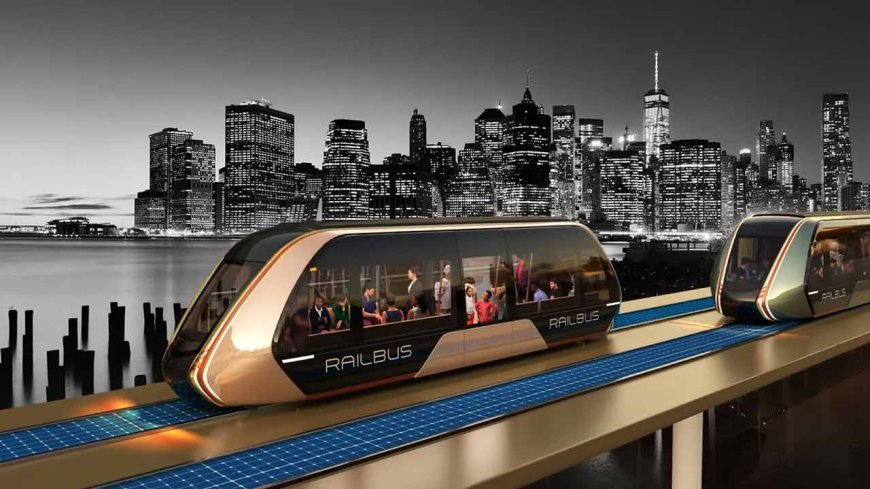
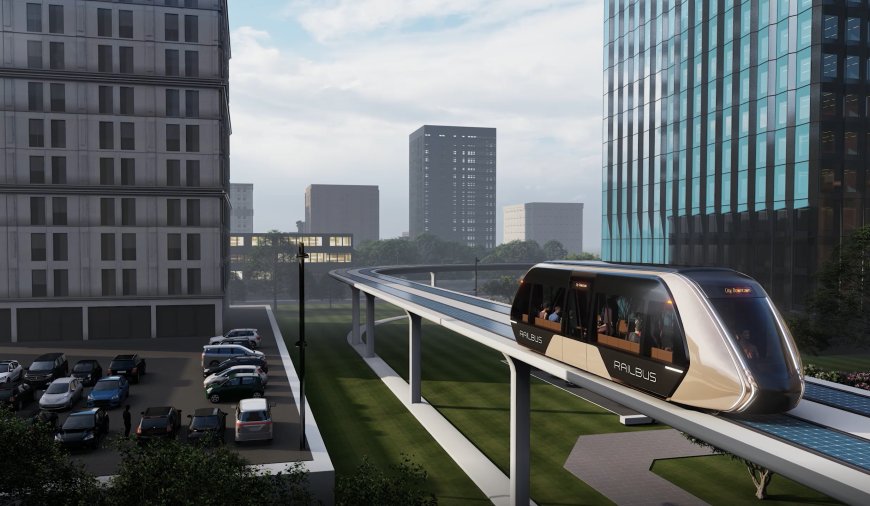
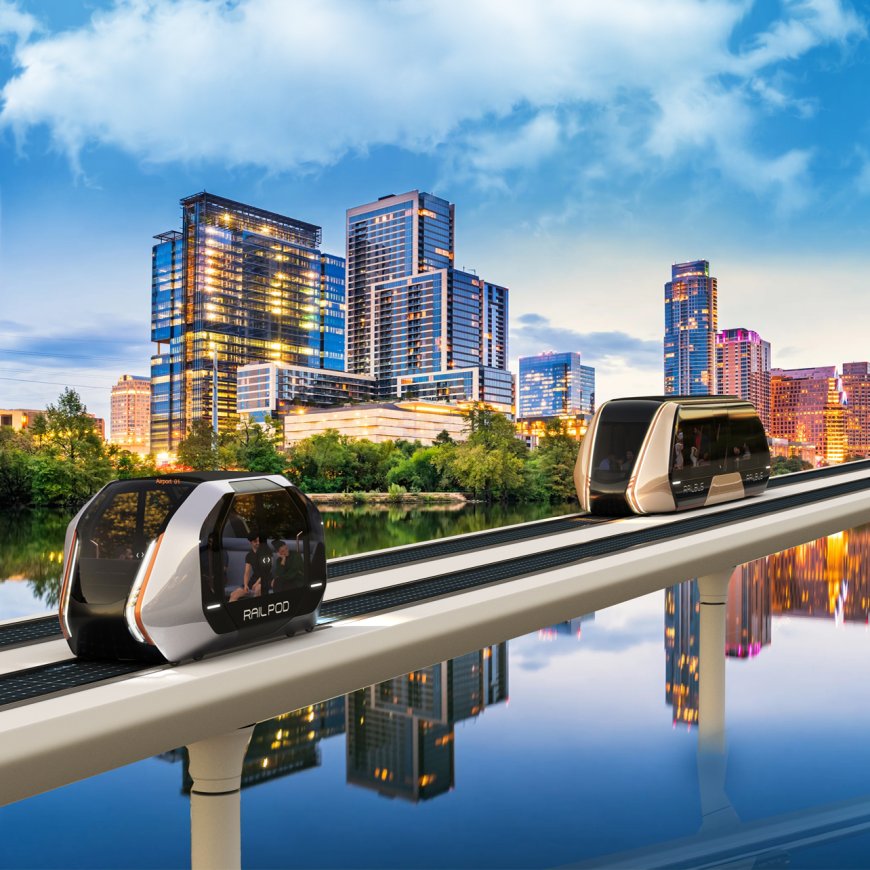
As South Africa continues to develop, its major cities face significant transportation challenges, including traffic congestion, pollution, and inefficient public transport systems. To address these issues, the introduction of RAILBUS, an innovative hybrid transport solution, could revolutionize urban mobility. Combining the flexibility of buses with the efficiency of trains, RAILBUS offers a promising alternative that could greatly benefit South Africa's urban centers.
RAILBUS is a hybrid vehicle that operates on both road and rail tracks. It combines the advantages of buses and trains, offering a versatile and cost-effective transportation solution. Equipped with rubber tires for road travel and steel wheels for rail tracks, RAILBUS can seamlessly switch between different modes of transport, providing unparalleled flexibility.
Traffic congestion is a major issue in cities like Johannesburg, Cape Town, and Durban. RAILBUS can alleviate this by providing an alternative to private car use. By operating on dedicated rail tracks during peak hours and switching to roads in less congested areas, RAILBUS can ensure faster travel times and reduce the number of vehicles on the roads.
South Africa's urban areas suffer from high levels of air pollution, largely due to the extensive use of fossil-fuel-powered vehicles. RAILBUS, which can be powered by electricity or hybrid technology, offers a greener alternative. Its ability to operate on renewable energy sources can significantly cut down greenhouse gas emissions, contributing to cleaner air and a healthier environment.
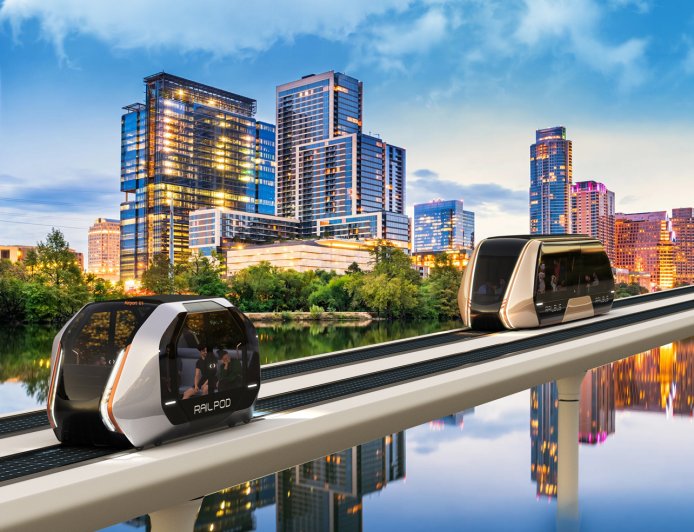
The construction and maintenance of rail infrastructure are often cited as barriers to expanding train services. However, RAILBUS requires less investment in infrastructure compared to traditional rail systems because it can use existing road networks. This dual-mode capability means lower costs for both construction and maintenance, making it a financially viable option for municipalities.
RAILBUS can provide better connectivity between urban and suburban areas. By using existing rail tracks for long-distance travel and switching to road networks for last-mile connectivity, it ensures that commuters can reach their destinations more efficiently. This enhanced accessibility is particularly beneficial for low-income residents who rely on public transport to commute to work or access essential services.
The convenience and reliability of RAILBUS can encourage more people to use public transportation. With features like real-time tracking, comfortable seating, and frequent services, RAILBUS can offer a superior travel experience. This shift from private cars to public transport can further reduce traffic congestion and pollution.
Globally, several cities have successfully implemented hybrid transportation solutions similar to RAILBUS. For instance, in Europe and Asia, guided buses and tram-train systems have shown significant improvements in urban mobility. These case studies can serve as models for South African cities, demonstrating the feasibility and benefits of adopting RAILBUS.
To successfully integrate RAILBUS into South African cities, a phased approach can be adopted. Start with pilot projects in key corridors experiencing heavy traffic congestion. Collect data and assess performance to make necessary adjustments. Collaborate with private investors to fund the infrastructure and operational costs, reducing the financial burden on the government. Involve local communities in the planning and implementation process to ensure that the service meets their needs and gains public support. Upgrade existing rail tracks and road networks to accommodate RAILBUS. Ensure that stations and stops are strategically placed for maximum convenience. Develop supportive policies and regulations to facilitate the integration of RAILBUS into the existing transportation system.
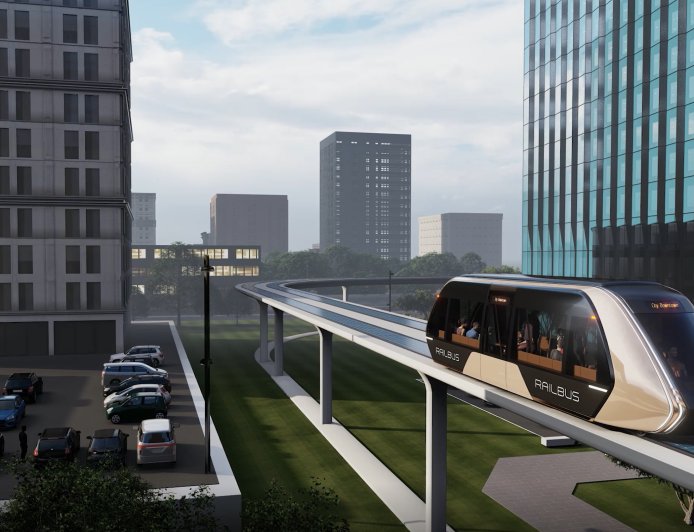
The introduction of RAILBUS in South Africa's major cities offers a transformative solution to the current transportation challenges. By reducing traffic congestion, enhancing environmental sustainability, and providing cost-effective and accessible transport options, RAILBUS can significantly improve urban mobility. Embracing this innovative technology can pave the way for a smarter, greener, and more efficient transportation future in South Africa.