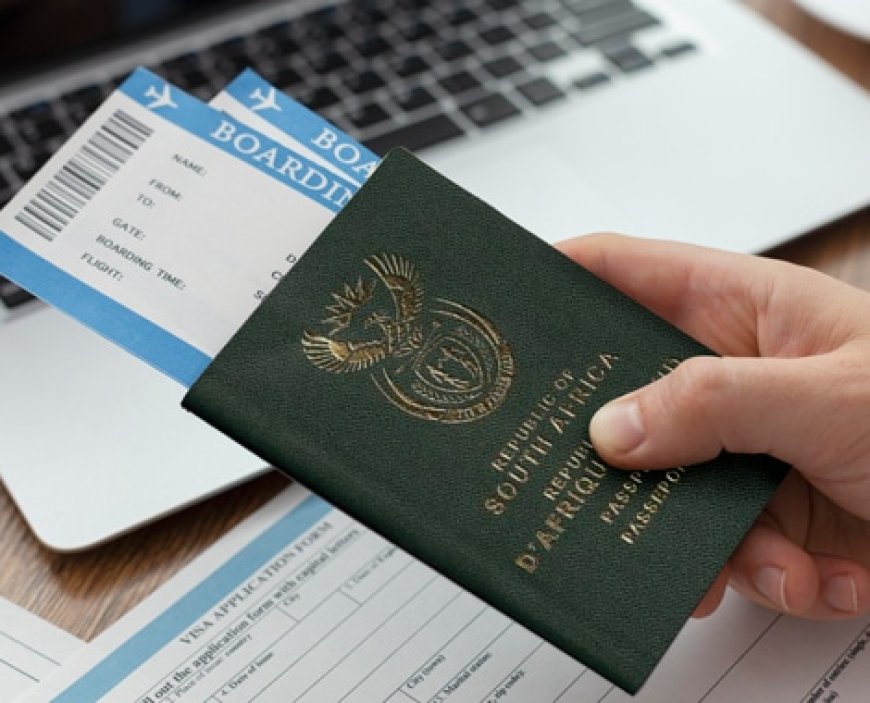
In a significant policy shift, Ireland has announced the introduction of visa requirements for citizens of South Africa and Botswana, effective from tomorrow, July 10. This decision marks the end of visa-free travel privileges previously enjoyed by South African passport holders, making Ireland one of the last European countries to implement such measures.
The announcement, made by Ireland's Justice Minister Helen McEntee, comes in response to a reported increase in asylum applications from travelers using South African passports, including individuals from neighboring countries like Zimbabwe and the Democratic Republic of the Congo. This year alone, Ireland has received 198 asylum applications from South African passport holders, prompting concerns over the misuse of visa-free privileges.
Speaking on behalf of the Irish government, Ambassador Austin Gormley explained that the new requirements aim to align Ireland's immigration controls more closely with those of the Schengen Area and the United Kingdom, ensuring robust and effective border management.
Despite the diplomatic and economic ties between Ireland and South Africa, which have seen growing annual trade and historical connections, the decision underscores Ireland's commitment to maintaining secure and fair immigration processes. McEntee emphasized that various factors were considered before implementing these measures, aimed at balancing travel facilitation with stringent immigration controls.
For travelers who have already made arrangements, transitional arrangements will allow them to proceed under the existing visa-free regime until August 9, 2024. Beyond this date, all travelers from South Africa and Botswana will need to obtain visas before entering Ireland.
To accommodate the anticipated increase in visa applications, Ireland has established an Africa Desk in Dublin dedicated to visa processing and diplomatic relations. Additionally, VFS Global will open three new visa processing centers in South Africa, streamlining application processes and ensuring efficient handling of visa requests.
The economic impact of these changes is expected to be substantial. Previously, visa-free travel facilitated significant numbers of South African visitors to Ireland each year, contributing to tourism, business exchanges, and educational partnerships. With the introduction of visas, adjustments in travel patterns and economic relations between the countries are anticipated.
While these measures represent a shift in travel ease and cultural exchanges between Ireland and South Africa, Ambassador Gormley emphasized that they do not reflect broader sentiments towards the relationship between the two nations. He assured that Ireland remains committed to maintaining strong bonds and extending a warm welcome to visitors from South Africa and Botswana.
As South Africa and Botswana adjust to their new visa status, their global passport rankings may be affected, influencing travel ease for their citizens worldwide. The establishment of new visa processing centers aims to mitigate any disruptions and ensure a smooth transition to the new visa requirements.
In conclusion, while Ireland's decision to impose visa requirements marks a change in travel dynamics, it underscores the country's commitment to secure immigration policies while maintaining diplomatic ties and fostering continued cooperation with South Africa and Botswana.