Thousands of Students at Risk as NSFAS Fails to Pay Accommodation Providers
 Nomfundo Fortunate Luthuli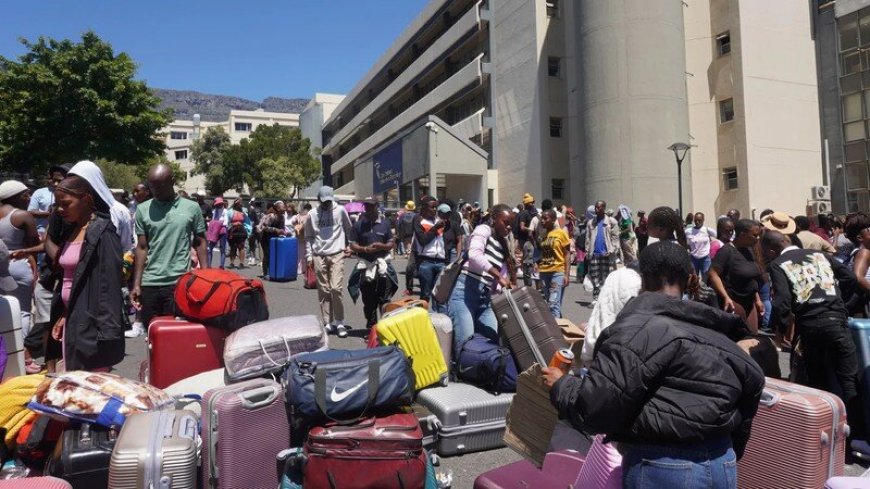
Durban – Student Housing Crisis Looms as NSFAS Payment Delays Spark Outcry in KZN
Student accommodation providers in KwaZulu-Natal are sounding the alarm over severe delays and shortfalls in payments from the National Student Financial Aid Scheme (NSFAS), warning that the housing of thousands of students is now at risk.
According to a recent poll conducted by Student Accommodation Providers South Africa (SAPSA), only 16 landlords confirmed receiving full payments for accommodation fees due in 2025. A further 62 landlords reported partial payments, while 30 said they had received no payment at all.
In a formal memorandum addressed to NSFAS, university management, and the Department of Higher Education, SAPSA outlined a pattern of poor communication, misleading public statements, and long-standing systemic issues within NSFAS’s payment processing systems.
“These failures are creating a crisis,” said SAPSA Chairperson Julian King. “Many landlords cannot continue offering accommodation without payment, which could lead to evictions and serious disruptions to students’ academic programs.”
The organization is demanding urgent action from NSFAS, including the immediate settlement of outstanding fees from 2024 and early 2025, better communication protocols, and an overhaul of existing payment systems. SAPSA also called for a roundtable discussion to revise lease agreements and create clearer channels of engagement between stakeholders.
Despite a public assurance from NSFAS in late March promising payments by March 31—earlier than previously announced—many landlords are still awaiting disbursements. SAPSA has also criticized NSFAS for publicly claiming that landlords failed to submit invoices, calling such statements misleading.
As the academic year progresses, the unresolved payment crisis threatens to escalate. SAPSA warns that if the situation persists, thousands of students may face eviction or loss of accommodation, jeopardizing their ability to continue their studies.